

ABLE Featured Articles
Heard “He’ll Grow Out of It” During Chinese New Year? ABA Expert: The Importance of Early Intervention


Why Early Intervention Matters: An ABA Perspective — Especially During Chinese New Year Conversations
As Chinese New Year approaches, many families look forward to reunions, traditions, and reconnecting across generations. Relatives gather, noticing how tall children have grown and comparing changes from the year before.
However, for some children with additional developmental needs, progress may look different — and these changes may not always be immediately visible during festive visits. Family conversations often turn to development, and well-meaning comments such as "They will grow out of it," or "His personality is just shy, he don't like to talk," are commonly shared as reassurance.
While these remarks usually come from a place of love and optimism, they can sometimes unintentionally delay something incredibly important: timely early intervention and support.
From an Applied Behavior Analysis (ABA) perspective, early support is not about labeling children — it's about building foundational learning skills during the most critical window of development.
Development Does Not Happen "Out of the Blue"
Many developmental skills — especially learning readiness — do not simply appear with age. They are learned through interaction, practice, and reinforcement.
Think of it like learning a new language. You won't suddenly be fluent in French or Spanish without being taught it and practice it with a native speaker. Or like learning the piano. A child doesn't sit down one day and suddenly play complex songs.
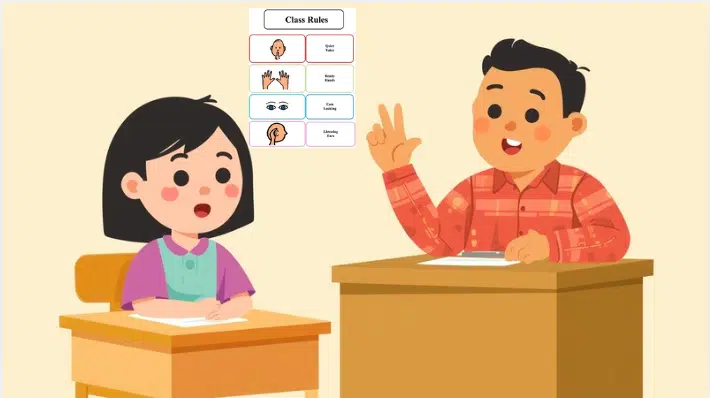
If a child is not explicitly taught foundational skills such as listening, attending, communicating, and engaging with others, the process of learning becomes much more effortful over time. These abilities form the basis of how children access new information. When we wait for them to emerge on their own, developmental gaps can gradually widen.
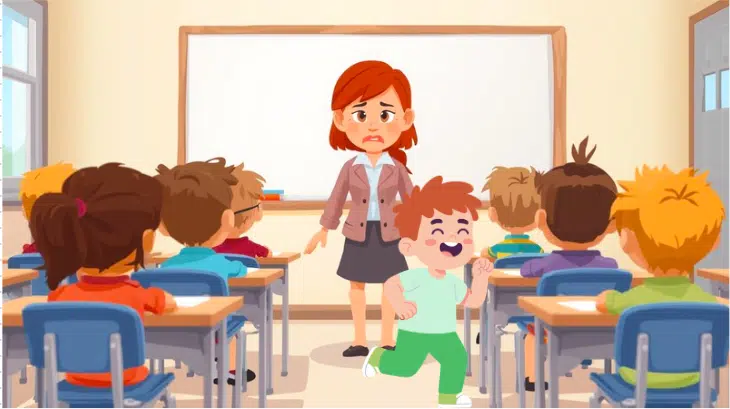
When I do school visits and observations, I'm seeing our students struggle at school. Teachers complain about them daydreaming, playing with stationery, or disrupting lessons. But I see it as their only way to cope with tasks that feel confusing or too difficult because for the students, the academic demands are simply too overwhelming for them.
A Growing Trend: Later Intake, Bigger Gaps
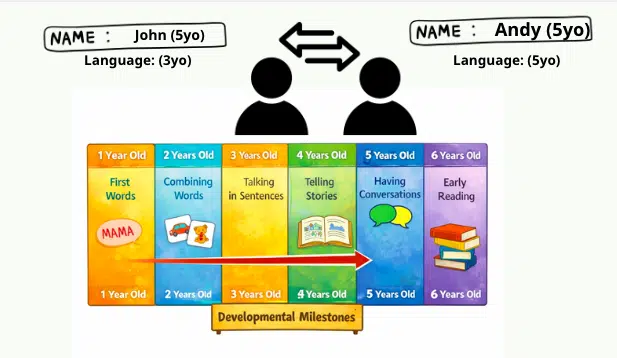
In recent months, I've had an increase in intake assessments for children aged 6–8 years old. On the surface, many of these children appear capable — they may answer certain questions or demonstrate isolated knowledge. On paper, some children appear to have many skills — they can answer certain questions, label objects, or repeat information they've learned before.
However, once therapy begins and we look more closely at how they actually learn, a different picture often emerges.
Deeper assessment often reveals:
- Significant gaps in developmental milestones
- Difficulty connecting information across contexts
- Challenges understanding questions when phrased differently
- Heavy reliance on memorization rather than true comprehension

This means that while some skills look present, the underlying learning framework is fragile or incomplete.
I've found myself needing to slow things down and peel back the layers, realising that what looked like advanced skills were sometimes built on memorisation rather than true understanding. We end up breaking tasks into much smaller, more manageable steps. It can feel like starting over, but in reality, we are rebuilding the missing building blocks so that future learning becomes more stable, flexible, and meaningful rather than fragile and easily lost.
This time can all be prevented if we started off right at an early age with a solid foundation of learning skills.
Learning Challenges Often Seen in Late Intervention
1. Learning Readiness and Motivation
Many older children entering intervention struggle with:
- Limited interest in structured learning
- Low intrinsic motivation
- Preference for very basic or sensory-based play
- Rigidity in routines or interests

Without early support, children may not develop the foundational skills needed to benefit from academic or social learning environments.
2. Communication and Social Development
Socially, some children show:
- Passive interaction styles
- Limited spontaneous language
- Reliance on prompts or guided questions
- Difficulty initiating or sustaining conversations
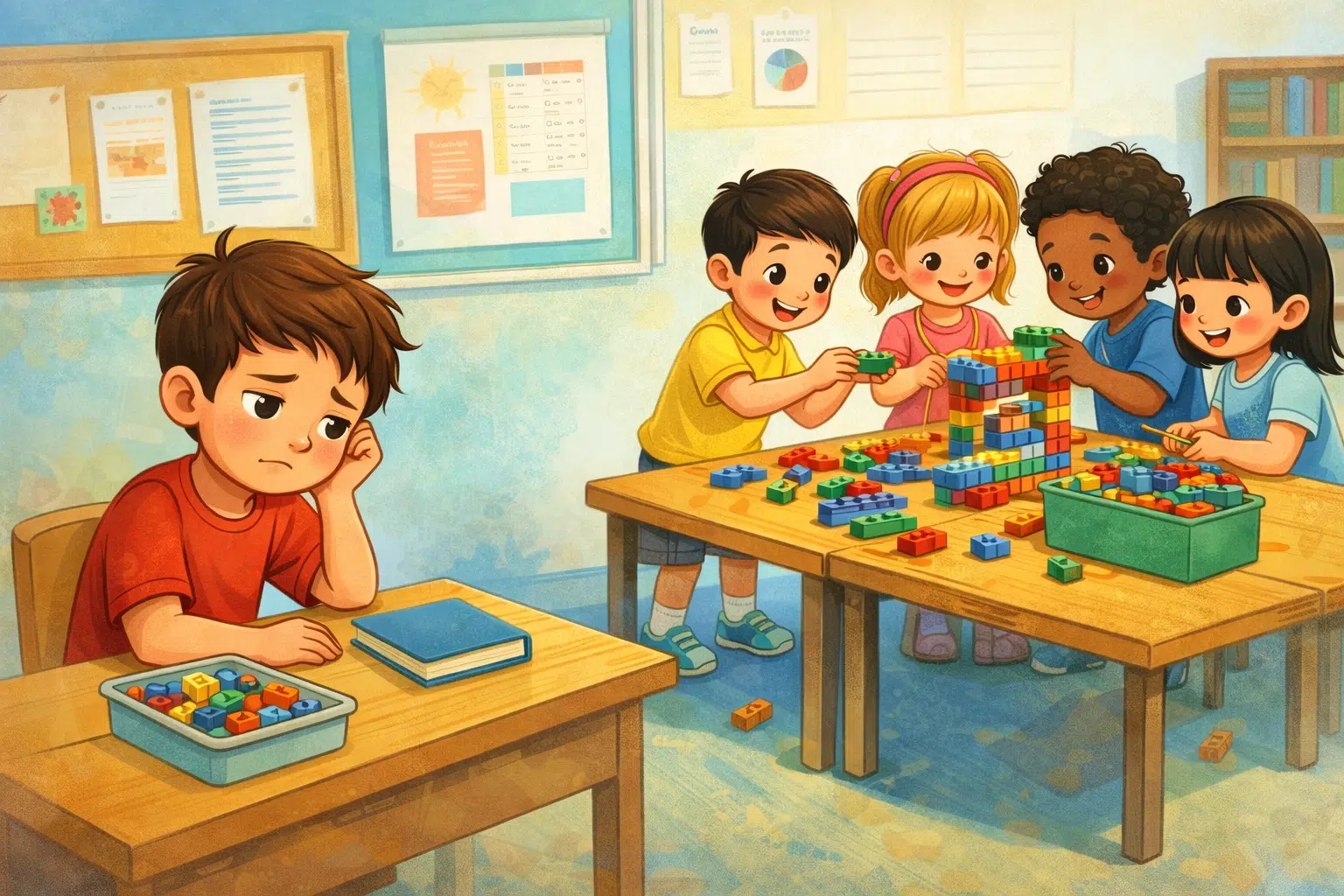
These challenges can impact friendships, classroom participation, and overall confidence.
3. Behavioral Patterns That Become Entrenched
When intervention begins later, behaviors may already have a long reinforcement history. Over several years, children may learn that extreme responses are effective ways to communicate needs or gain control.
Common patterns can include:
- Dropping to the floor and refusing to move
- Aggression or forceful behavior toward caregivers
- Self-directed behaviors such as hitting oneself or slapping surfaces
- Escalation when demands are placed
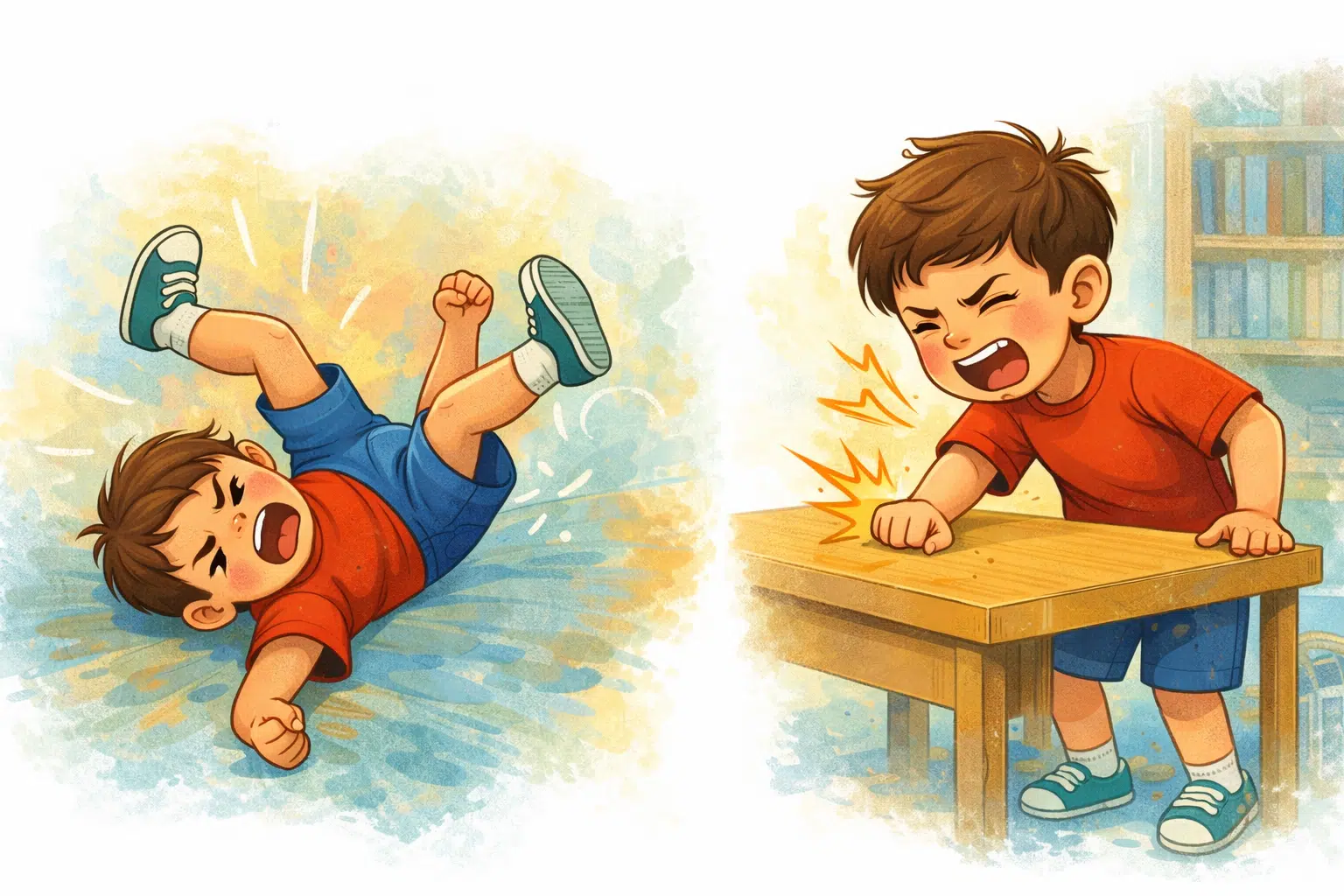
From an ABA perspective, these behaviors are learned communication strategies that have worked in the past — which makes them more challenging to change later on.
Why Ages 2–3 Are So Critical
Early intervention during toddlerhood allows therapists and families to build core learning readiness skills before patterns become deeply established.
Key foundational skills include:
- Attending to people and shared activities
- Following simple instructions
- Sitting and engaging during structured tasks
- Functional and imaginative play skills
- Flexible responding and problem solving

When these skills are established early, children are better prepared to learn language, academics, and social skills naturally within everyday environments.
Navigating Family Conversations During Chinese New Year
Family gatherings can be wonderful — but also challenging when differing views on development arise.
Some gentle ways to frame early intervention include:
- Emphasizing that early support strengthens strengths rather than labeling weaknesses
- Comparing skill development to learning a language or musical instrument — practice matters
- Highlighting that early help often means less intensive support later
- Sharing progress stories rather than diagnostic labels
Also remember, older generations may come from a time when developmental knowledge was limited. Education paired with respect often goes further than debate.

Final Thoughts
Early intervention is not about rushing children — it is about giving them the tools to learn, communicate, and thrive.
The earlier learning readiness skills are developed, the more naturally children can grow into confident learners and communicators. Waiting may not only prolong challenges but can also allow patterns — both behavioral and developmental — to become more deeply rooted.
As families gather this festive season, let's shift the conversation from "They will grow out of it" to "How can we support them to grow?"
Because development is not just about time — it's about opportunity.

