ABLE Featured Articles
Pouring with Praise

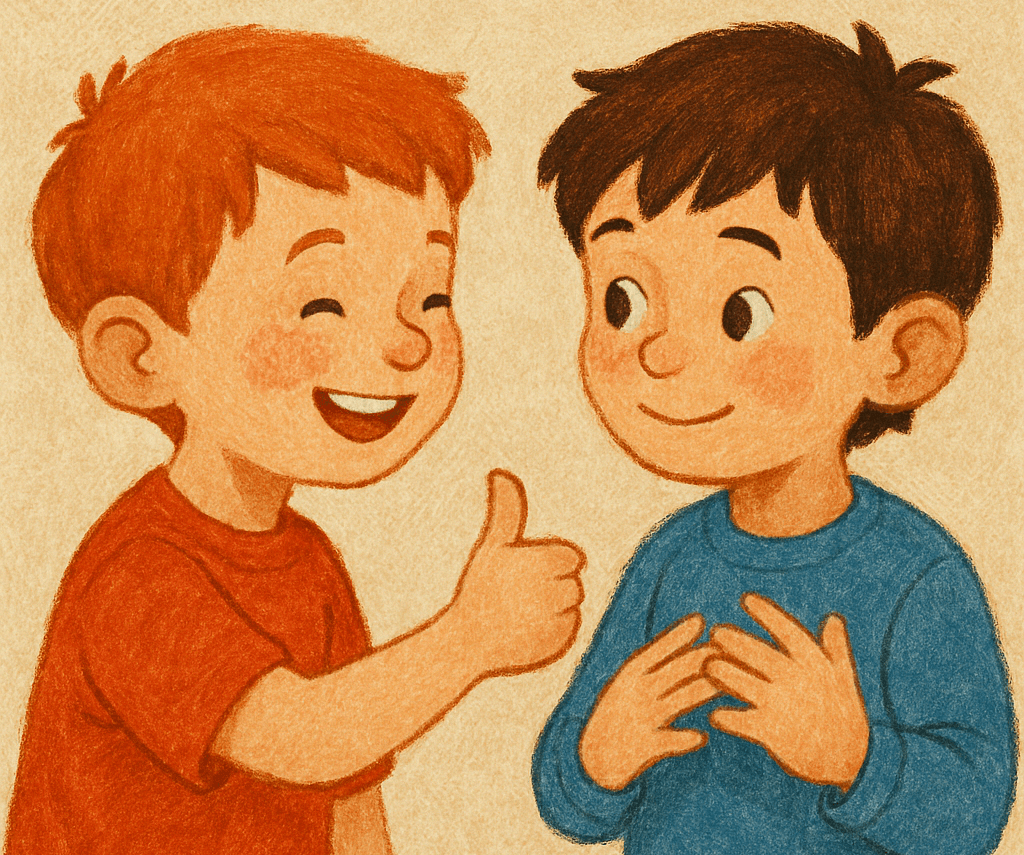
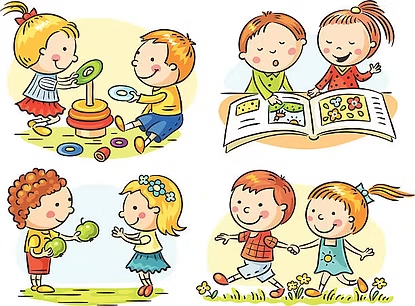
Children are curious and active. They like to observe what each other is doing, move and explore their surroundings. This is how they learn. But sometimes, their curiosity and impulsiveness can easily lead to problematic behaviors. Let’s see how to use “praise” to create and increase good behaviors.
Why is appreciation so important?
1. Improve self-esteem and confidence
When children are doing/completing something, parents’ praise means that what they have done is good and right, thereby strengthening their self-esteem and self-confidence, making them willing to try another similar thing and behavior next time.
2. Positive relationships
Praise can also strengthen the relationship between your child and you. Generally speaking, praise such as “well done” or “good child” is enough, but if the child completes something beyond your expectations, you can give further praise such as a hug or a kiss to deepen the parent-child relationship.
3. Provides motivation for children
Have you ever tried to get your child to learn something new and take too long? Or has your child taken too long to do homework? Praising your child will encourage them to learn new things, accept challenges, and push their limits because they know they are not alone in the process.
4. Reduce inappropriate behavior
Have your children ever done something inappropriate and then watched how you reacted? When you praise your children, they get your attention and recognition, and they don’t have to do inappropriate behavior to attract your attention. Therefore, praise can effectively reduce the occurrence of problem behaviors.
5. Increase good behavior
Praise is a reward. When children know that their behavior will be rewarded, they will continue to behave well.
6. Time to praise
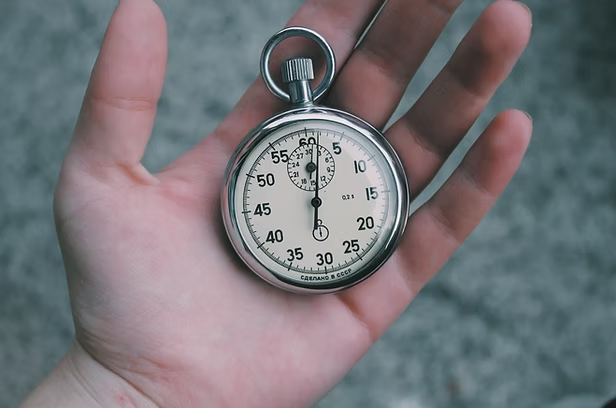
It is very important to seize the right time to provide praise statements. Too much praise may not be sincere; too little praise, your child may use inappropriate behavior to attract your attention, so we must grasp the timing of the child’s “good job”.
1) Identify the problem behavior
2) Come up with the opposite behavior representative and “appropriate behavior”
3) Once you see the child doing the appropriate behavior, give praise immediately!
Don’t underestimate the power of praise!