

ABLE Featured Articles
Should Children with SEN Enrol in Nursery Before K1?

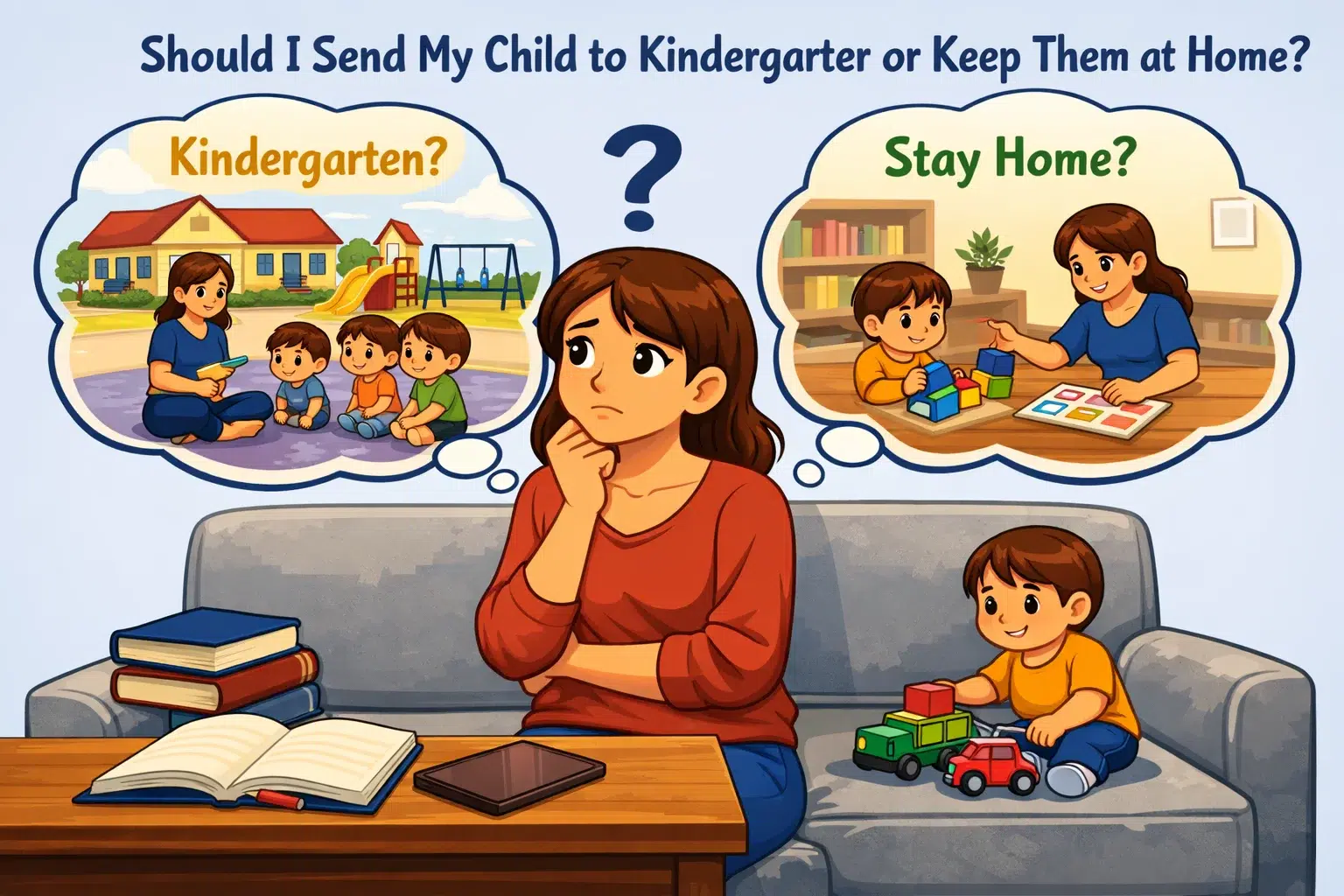
This is a question many parents have asked me: deciding whether to enrol a child with special education needs (SEN) in a nursery before K1.
Nursery can provide valuable experiences—letting children interact with peers, establish routines, and participate in structured activities. However, it may also present challenges depending on a child's readiness skills. Some children thrive in these early group settings, while others may struggle with participation, transitions, or emotional regulation.
Let's explore both sides and the alternatives that can support a child's development.
✅ Potential Advantages of Nursery
Learning Classroom Routines
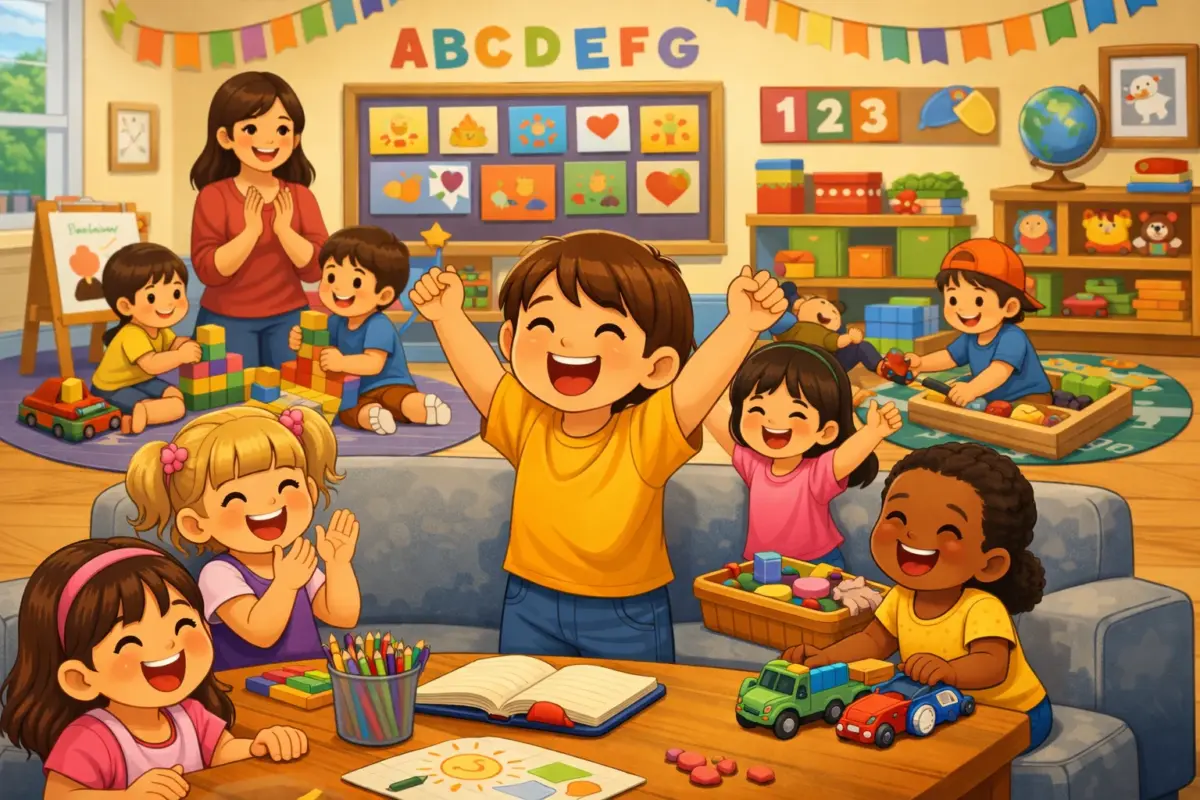
Nursery introduces children to structured routines such as circle time, snack breaks, and transitions. These early exposures can make the move to K1 smoother.
Separation from Parents
For many children, nursery is the first step toward independence. Learning to separate from caregivers in a safe, supportive environment builds resilience.
Group Participation
Children begin to understand what it means to be part of a group—sharing toys, waiting for turns, and engaging in collective activities. These skills are foundational for later schooling.
Early Social Opportunities
Exposure to peers can help children practice communication, joint attention, and play skills, which are often areas of growth for children with SEN.
⚠️ Possible Disadvantages of Nursery
Readiness Skills May Be Limited
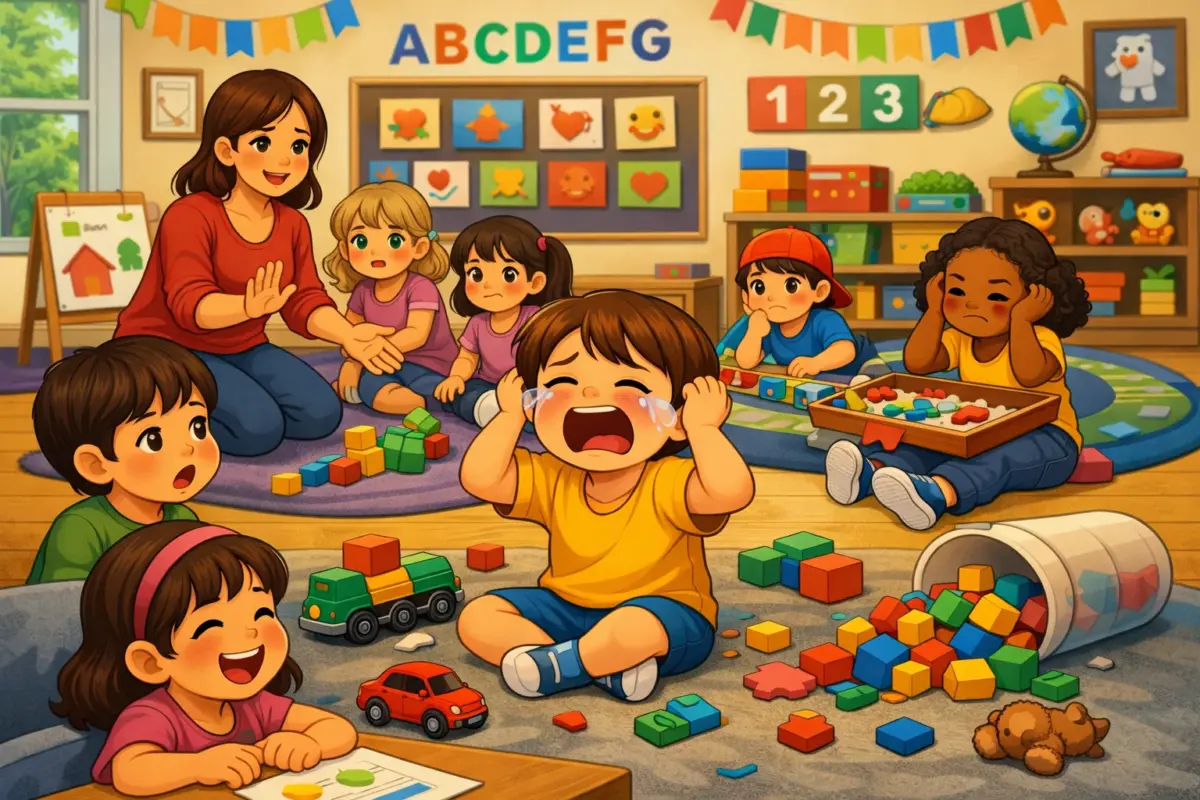
If a child struggles to follow instructions, sit for short periods, or transition between activities, group settings can feel overwhelming. This may lead to frustration or non-compliance. Without support in place, the child may build up low motivation and poor attitudes toward learning over time.
Impact on Compliance
Without readiness skills, children may resist classroom routines and heavily rely on support from others, which builds prompt dependency.
Toy and Activity Preferences
Children with Autism Spectrum Disorder (ASD) often have strong interests in specific toys or activities. In a group setting, limited access to these preferred items may lead to distress or reduced engagement.
Behavioral Difficulties
When children don't fully understand classroom routines, they may struggle to follow the group plan—wandering around the room, resisting transitions, or showing frustration if denied access to preferred items. This can result in tantrums or disruptive behavior. Teachers, managing a whole class, may find it difficult to provide the individual support needed, which sometimes leads to the child being left aside. Over time, this can reinforce avoidance or "getting their way," rather than building positive compliance.
Risk of Negative Associations
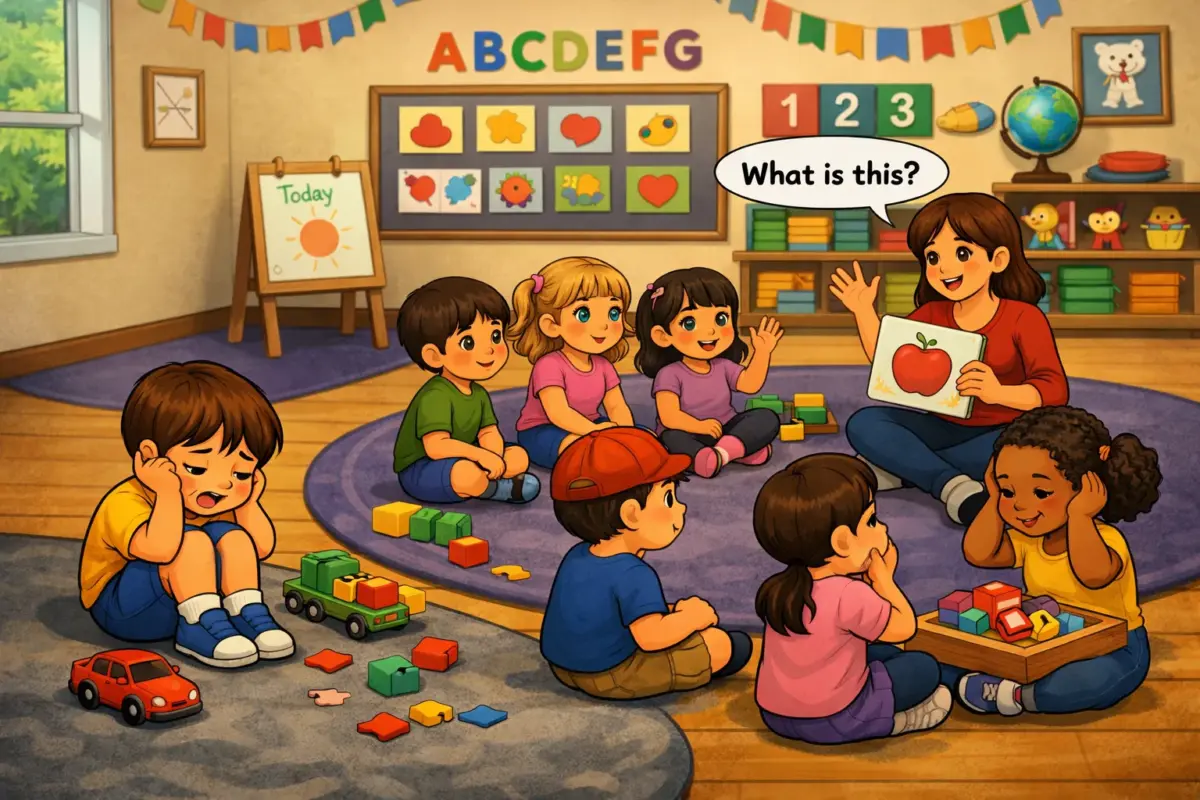
If the classroom feels too overwhelming, children may begin to associate school with stress. This can foster avoidance behaviors or negative feelings toward learning, which may affect their long-term attitude toward education.
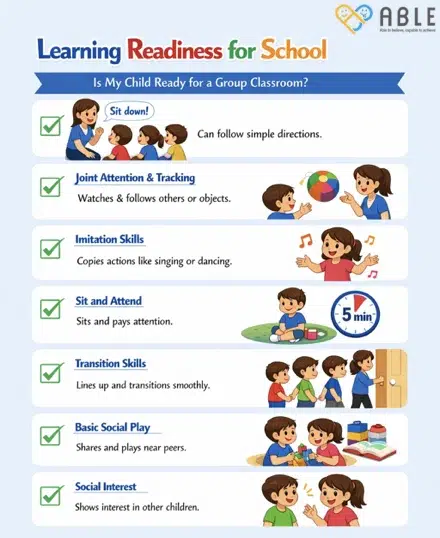
🎯 Learning Readiness for School
Before deciding on nursery, it's helpful to reflect on whether your child has begun developing some foundational readiness skills. These don't need to be mastered, but emerging signs make group learning more successful.
🌟 Alternatives to Nursery
Parents who feel their child may not yet be ready for a group classroom can consider other pathways:
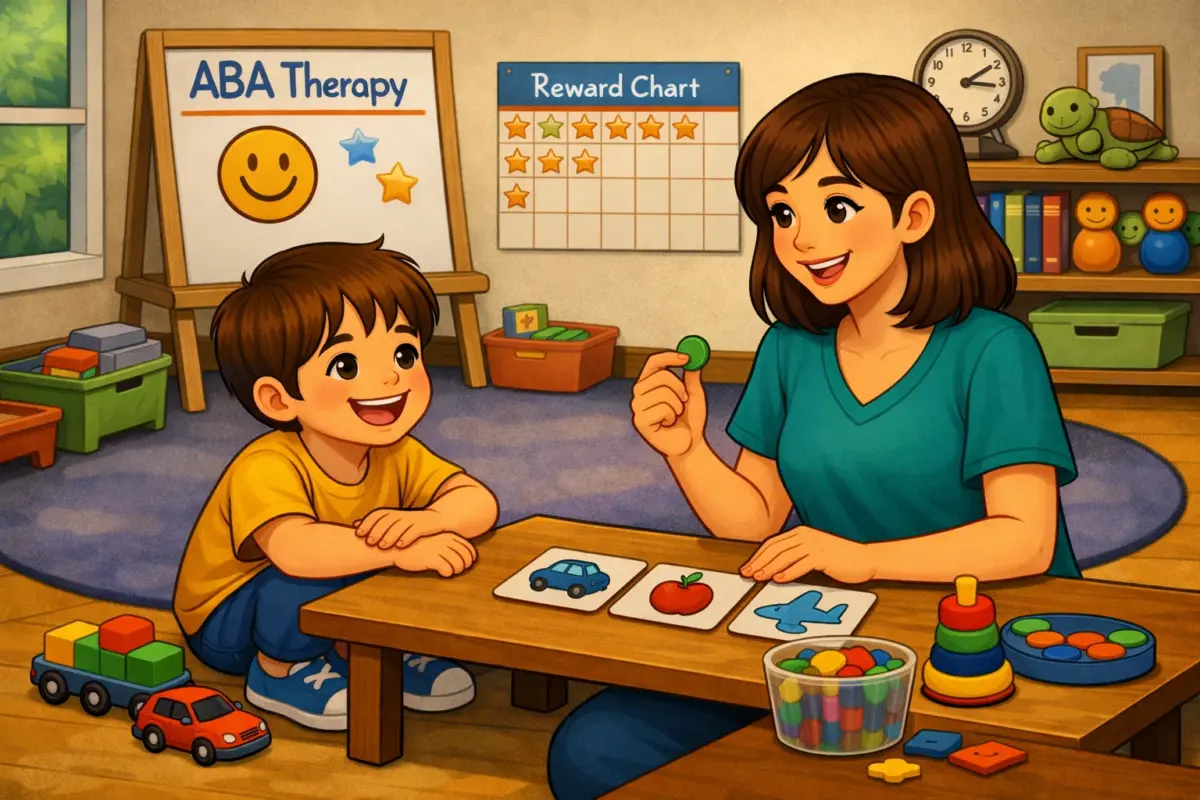
1. Skip Nursery and Focus on Targeted Training
Use the time for structured interventions such as Applied Behavior Analysis (ABA), speech therapy (ST), or occupational therapy (OT). Balance training with natural play opportunities—parks, playgrounds, and sensory-rich environments can provide stimulation and practice in less structured settings.
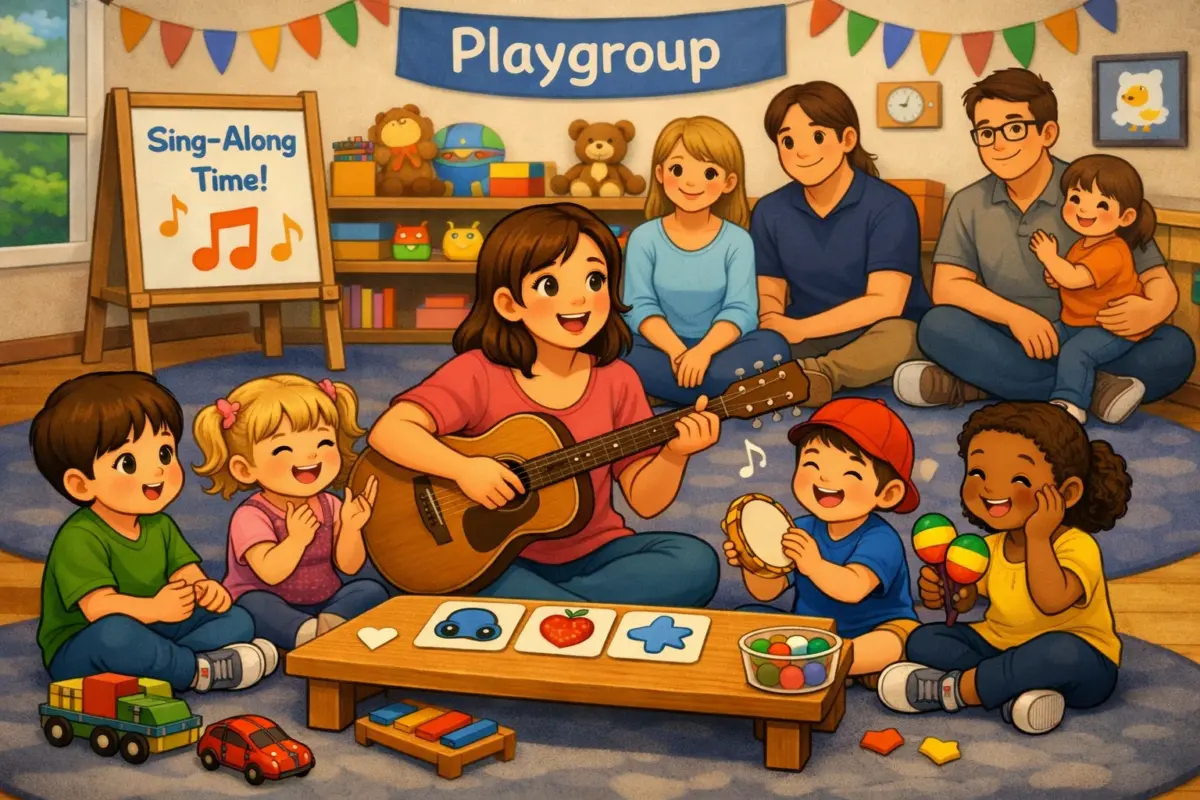
2. Join a Parent-Child Playgroup
Playgroups allow children to experience routines and group dynamics while having a parent present as a "shadow support." Parents can scaffold skills in real time—helping with transitions, modeling play, and guiding compliance—while children still benefit from peer interaction and group exposure.
🌟 A Personal Note from My Practice
In my practice, I've met many children between 18 months and 2 years old who were not yet responding to their names, showed only fleeting interest in toys, cried easily, and often had intense tantrums. Teachers frequently reported that these children struggled to participate in class activities and cried often at nursery.
When I asked parents how teachers were handling it, the feedback was revealing: the daily goal was usually whether the child stayed calm, rather than whether they had practiced meaningful skills such as lining up with the group or trying the art activity.
When parents chose to pause nursery for a few months and enrolled their child in our ABA Abloom Program, we worked intensively through play—building social interest, encouraging eye contact, and teaching attention skills like sitting down, engaging, and connecting. This targeted support laid a foundation for participation and confidence.
After this period, when the children returned to nursery, the difference was remarkable. They were more prepared than ever for school life. And when they eventually transitioned into kindergarten K1, teachers often reported that separation anxiety was no longer an issue, and shared positive feedback about the children's participation, readiness, and ability to learn.
Conclusion: Balancing Exposure with Readiness
Giving children opportunities to explore different environments—whether it's nursery, playgroups, home-based learning, or therapy settings—can enrich their development in meaningful ways. These experiences help build social, emotional, and cognitive skills through varied interactions.
However, the key is to continually assess whether your child is ready for group learning and whether the chosen setting is truly supporting their overall growth and wellbeing. Every child's journey is unique, and the most important step is choosing an environment that nurtures their progress, confidence, and joy in learning.
📝 Frequently Asked Questions (FAQ)
Not necessarily. While Pre-Nursery provides early exposure to group settings, if your child hasn't yet developed basic "readiness skills" (such as sitting still or following simple instructions), starting too early might lead to frustration and a negative attitude toward school.
You can consider targeted early intervention programs, such as Applied Behavior Analysis (ABA), speech therapy, or occupational therapy. Joining a parent-child playgroup is also a great option, as it allows your child to experience group dynamics with your immediate support before transitioning to K1.
School readiness skills are foundational abilities that help a child succeed in a group learning environment. These include responding to their name, making eye contact, sitting down for short periods to engage in activities, and transitioning smoothly between tasks.
Frequent crying may be a sign that the classroom environment is too overwhelming for your child. Speak with the teachers to understand the situation. If the daily goal is merely keeping your child calm rather than learning meaningful skills, you might want to pause nursery for a few months and enroll in professional targeted training (like the Abloom program) until they are ready.
Yes. Through intensive play-based training, ABA helps build social interest, attention skills, and compliance. Based on our practical experience, many children who initially struggled at nursery were able to overcome separation anxiety and receive positive feedback from K1 teachers after a few months of targeted support.

