

ABLE Featured Articles
Why Does My Child Write Numbers Backwards? Causes and How to Help

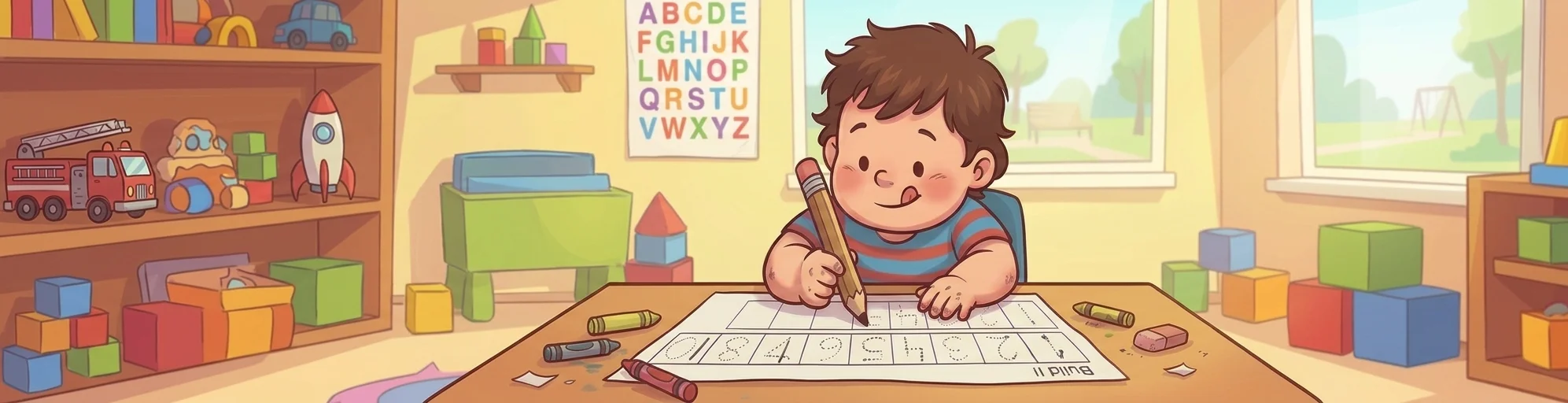
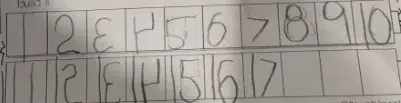
When young children are just starting their handwriting journey, I often make a specific and frequent observation. Many children, with focused effort and enthusiasm, will pick up their pencils and write numbers like 2, 3, 5,9 in reverse
.
Is it Dyslexia?
We understand that for parents, seeing frequent reversal in early writing can raise concerns about dyslexia. It is important to know that while this is a consideration in older children, in the early learning stages (for children aged 3 to 6), reversing numbers and letters is extremely common and is frequently not a sign of dyslexia.
Instead, when I see a child consistently reverse a ‘3’ (making a ‘Ɛ’), we recognize that it is often an issue with visual-spatial orientations.
For these children, the challenge isn’t with processing language but with how their brains understand spatial relationships, direction, and orientation. A ‘3’ is just a shape to them, and they are learning the visual difference between up and down, and left and right.
We are proud to share that over the years, we have been able to help many children overcome these problems with consistency, positive reinforcement, and a focus on building foundational visual-spatial awareness through Applied Behavior Analysis (ABA) techniques.
Here are key strategies and actionable tips we use to guide development.
1. Visual-Spatial Play: Build the Foundation
A large part of helping children overcome reversals happens before they even pick up a pencil. Focus on strengthening visual-spatial perception through fun, developmental activities from a young age:
- Puzzles: Encourage a variety of puzzles. Figuring out which pieces fit and what direction they must face builds critical visual-spatial matching skills.
- Matching Games: Play cards or tile matching games that require identifying identical items in a correct sequence or orientation.
- Building Blocks: Construction and block play are powerful tools. They help children understand directionality, three-dimensional space, and how to replicate structures from visual patterns.
2. Teach the Stroke, Not the Shape Memory
When it is time for formal handwriting, our ABA approach shifts the focus from “memorizing the whole shape” to “understanding the action of the stroke.”
When a child learns a number merely by tracing its final outline from memory, their visual-spatial system can easily mirror it.
Instead, follow this systematic ABA writing guide:
- Ensure Understanding of Stroke and Prints: Take the time to show your child that every number is built. Break the process down into actionable steps. For example, when teaching the number ‘3,’ instead of asking them to draw a large double-curve from memory, say: “Let’s make a small curve to the right, and now, another small curve to the right.”
3. Use Concrete Action Cues & Multi-Sensory Learning
When a child is writing, combine handwriting practice with multi-modal learning so they experience correct number formation through multiple senses:
- Tactile Construction (Play-Doh): Have your child roll out Play-Doh “snakes” to construct the curves and lines of ‘3’ or ‘5’. Physically building the shape engages muscle memory and reinforces spatial awareness.
- Sensory Tracing (Salt Trays): Fill a shallow tray with colored salt or sand. Practice drawing numbers with a finger. The tactile feedback helps solidify the stroke direction in their brain before introducing paper and pencil.
- Rhythmic Chants & Verbal Cues: Pair physical movements with catchy, memorable chants (e.g., “Around the tree, around the tree, that’s the way to make a 3!” or “Short neck, big belly, put a hat on top!” for 5). Verbal cues guide the motor planning step-by-step, preventing the mind from flipping the direction.
Say goodbye to reversed numbers! I’m sharing our go-to ABA strategies for helping children write numbers 1 to 10 in the correct direction—no more flipped 3s, 5s, 6s, or 9s! Using a simple left-hand trick and fun chants, here’s how you can guide your little one step-by-step.
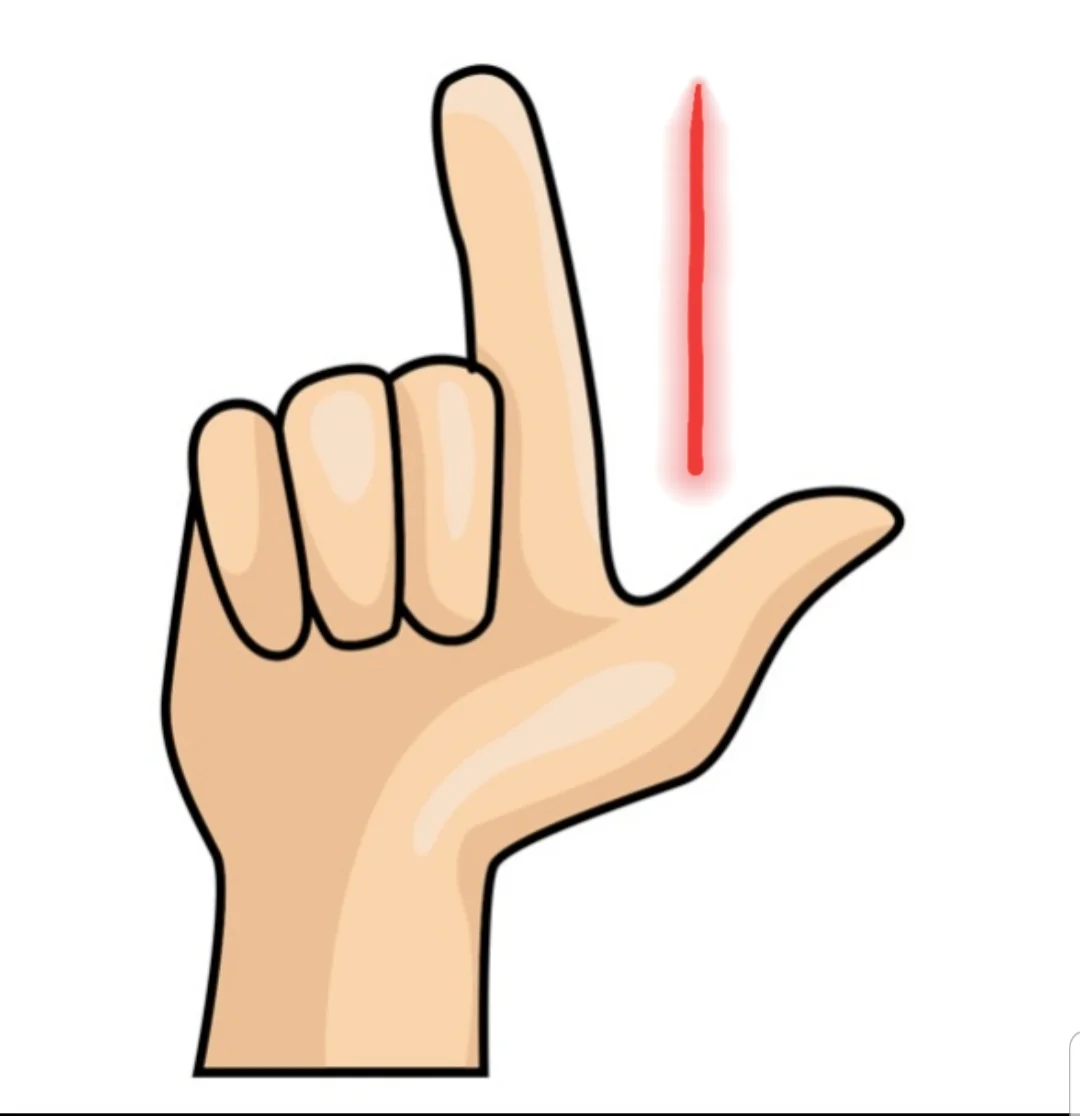 |  |  |
| Straight line down, and then you’re done, that’s the way to make a 1 | Around and down, then line out right, now your number 2 is bright | Around the tree, around the tree, that’s the way to make a 3 |
 |  |  |
| Down and over, down once more, that’s the way to make a 4 | Short neck, big belly, put a hat on top | Slant down low, then loop around, 6 is hiding on the ground |
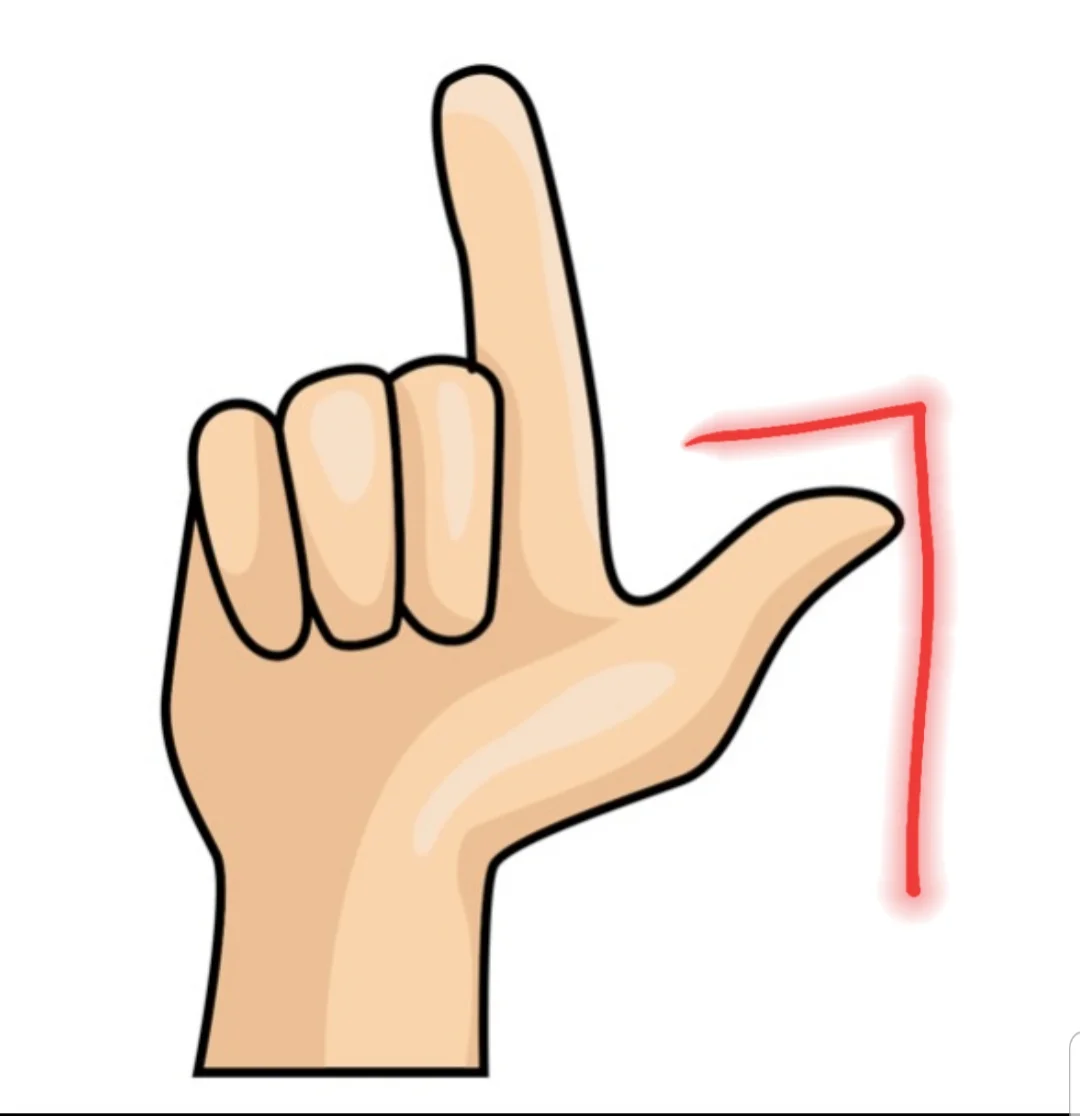 |  | 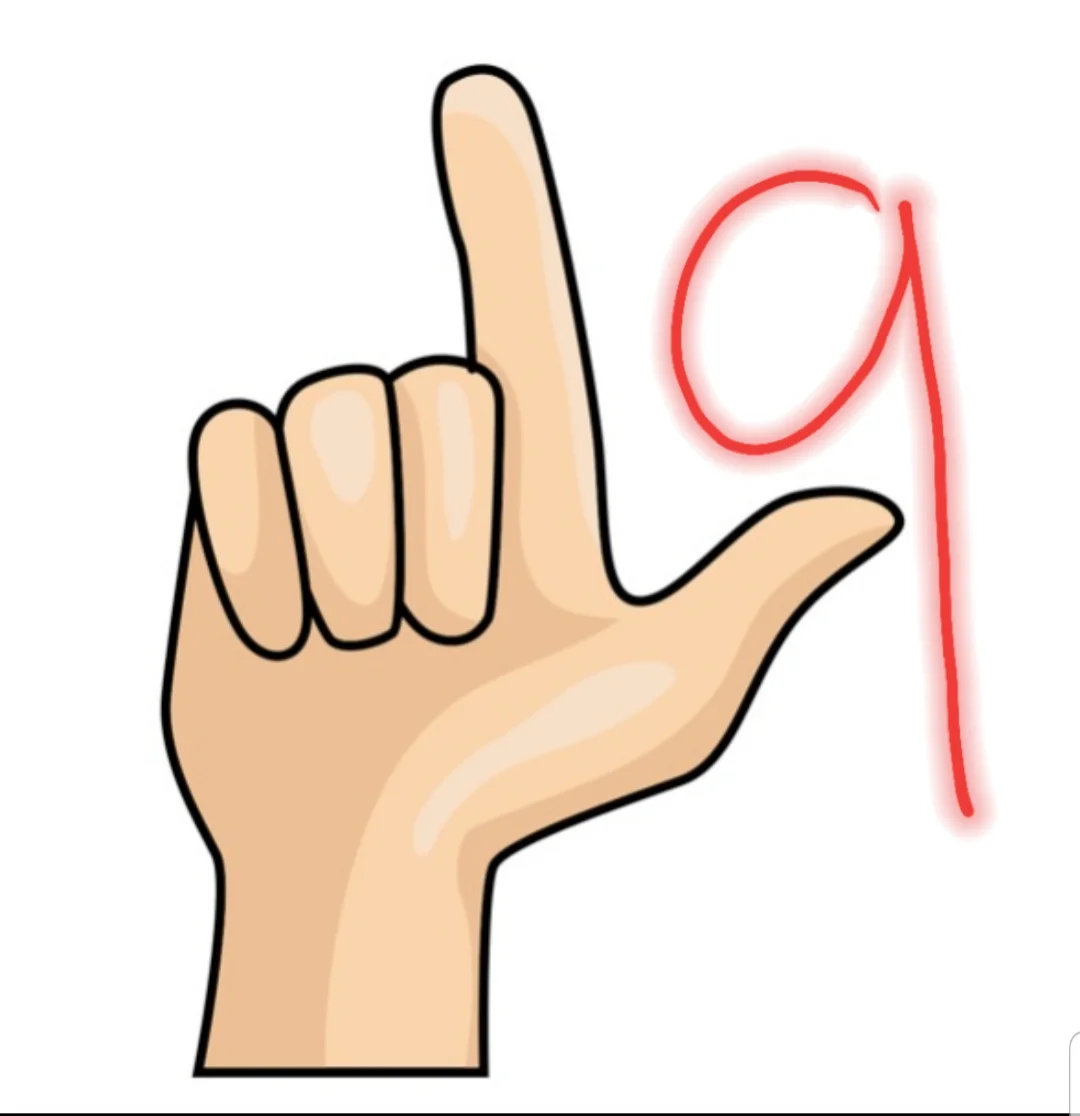 |
| Across the sky, then slant straight down, 7 is the best in town | Make an S, but do not stop, race back up to touch the top | First a circle, then a line, that’s the way to make a 9 |
By making handwriting an interactive, multi-sensory process of deliberate, success-oriented actions, we transform it from a test of visual memory into an achievable, lasting skill.
Every child develops at their own pace, and progress takes patience and positive support. If you have questions about your child’s handwriting or visual-spatial development, our team is always here to provide guidance and tailored support.

